
The allure of casino slot machines
The allure of casino slot machines is intricately tied to their design and operation. Unlike table games that involve skill and strategy, slots offer a straightforward and easy-to-understand experience. This accessibility is appealing to a broad audience, attracting both seasoned gamblers and novices alike. Players interested in options beyond traditional sites might explore casino non gamstop platforms that provide unique gaming experiences. The bright lights, vibrant colors, and catchy sounds create a sensory feast that captivates players, drawing them into a world of excitement and possibility.
The thrill of playing slot machines is also amplified by the concept of randomness. Each spin is an independent event, and this unpredictability is a significant driver of player engagement. The psychological phenomenon known as the “near-miss effect” plays a crucial role here; players often feel they are close to winning, which boosts their motivation to continue. This illusion of control can lead to extended play sessions as individuals chase that elusive jackpot, further reinforcing their fascination with slots.
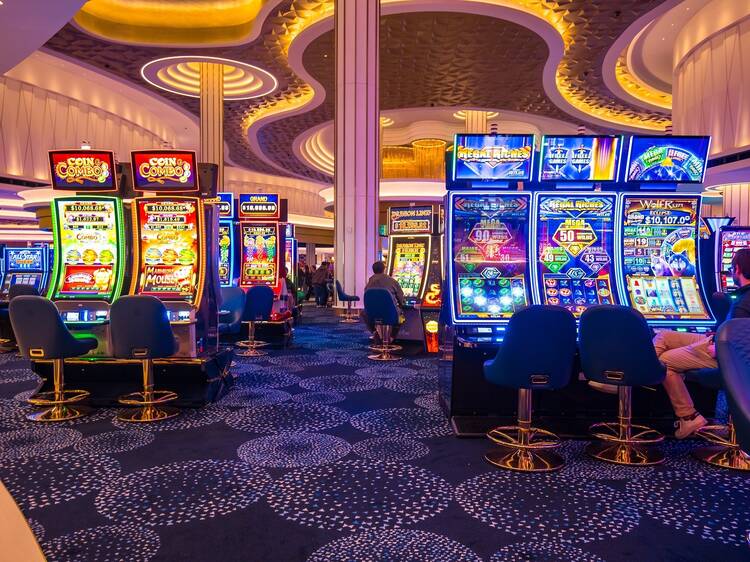
Moreover, the environment of a casino contributes to the allure. The strategic placement of slot machines near entrances or high-traffic areas encourages maximum exposure. The sights and sounds are designed to create a welcoming atmosphere, while the absence of clocks helps players lose track of time. This environment not only enhances the gaming experience but also manipulates the player’s psychological state, making them more likely to engage in prolonged play.
Behavioral triggers at play
Certain behavioral triggers are expertly incorporated into slot machine design to enhance player engagement. One common strategy is the use of variable rewards. Unlike traditional games that have a fixed payout structure, slots offer different prize levels, providing a mix of small wins and larger payouts. This unpredictability keeps players engaged, as they are regularly rewarded, even if the rewards are minor. The anticipation of a potential big win can result in a compelling cycle of play, encouraging users to invest more time and money.
The concept of “losses disguised as wins” is another significant psychological trigger. In many slots, players may receive a payout that appears beneficial, yet it doesn’t equate to their total bet. This can create the illusion of winning despite an overall loss, making players feel more positive about their experience. The excitement generated by these losses disguised as wins can be deceptive, leading players to underestimate their expenditure and overestimate their chances of success.

Additionally, social interactions within casinos serve as powerful behavioral triggers. Many slot machines feature multiplayer options or even linkages that allow players to see others win, which can amplify excitement and encourage additional play. The sense of community and shared experience often leads to increased engagement, making individual players more likely to continue investing time and money in hopes of joining the ranks of winners they witness around them.
The role of sound and visuals
The sensory elements of slot machines—specifically sound and visuals—play a crucial role in shaping player behavior and experiences. Sound effects, from the satisfying clink of coins to celebratory music upon winning, trigger emotional responses that enhance the overall gaming experience. Research has indicated that certain sounds can evoke feelings of excitement and eagerness, effectively conditioning players to associate these stimuli with reward. This auditory feedback creates an immersive atmosphere that encourages players to keep spinning the reels.
Visually, the design of slot machines is carefully crafted to attract and hold attention. Bright colors and engaging themes resonate with players, creating a stimulating environment that enhances the thrill of the game. The use of animations and graphics adds layers of excitement, making each spin feel dynamic and unique. The interplay of visuals and sound can lead to a euphoric experience, where the psychological impact encourages extended gameplay and deeper financial investment.
Moreover, the concept of gamification—a trend where game elements are integrated into non-gaming contexts—has also found its way into slot machines. Many modern machines feature interactive screens, bonus games, and storylines that engage players on multiple levels. These elements appeal to the desire for achievement and progression, making the experience feel less like gambling and more like an adventure. As players engage with these features, they may develop a stronger emotional connection, further enticing them to play longer.
The psychological impact of winning and losing
The psychological impact of winning and losing in the context of slot machines is profound and multifaceted. Winning, even if it’s a small amount, releases dopamine—a neurotransmitter associated with pleasure and reward. This physiological reaction reinforces the desire to continue playing, as players often associate the thrill of winning with positive feelings. The subsequent craving for more wins can lead to a cycle of gambling that is challenging to break, as each successful spin conditions players to seek that euphoric state again.
Conversely, losing can evoke feelings of frustration and disappointment, but casinos frequently mitigate this through the aforementioned mechanisms of wins disguised as losses. Players may find themselves justifying their time and money spent by focusing on the small victories rather than assessing their overall financial impact. This cognitive dissonance creates an environment where players rationalize their losses, convincing themselves that they are still in the game or merely one spin away from a significant payoff.
The tension between the psychological effects of winning and losing can lead to what some would describe as a gambling addiction, where individuals feel compelled to play despite the negative consequences. Understanding this psychological landscape is crucial for players, as it helps them recognize the potential pitfalls associated with gambling behaviors. By acknowledging these emotional cycles, gamblers may be better equipped to make informed decisions about their play and maintain a more balanced approach to gaming.
Understanding the industry and responsible gaming
As the slot machine industry continues to grow, understanding the psychological tactics used can empower players to engage in responsible gaming. Casinos employ these insights to maximize profits while providing a thrilling experience for customers. However, it is important for players to recognize that entertainment should be the primary goal of gambling, rather than the pursuit of profit. Responsible gaming encourages individuals to set limits on time and spending, ensuring that gaming remains a fun and enjoyable activity rather than a source of stress or financial hardship.
Educational resources and support systems are available for those who recognize a pattern of unhealthy gambling behavior. Many casinos and organizations promote responsible gaming initiatives that include self-exclusion programs, budgeting tools, and educational materials about gambling addiction. Understanding the psychological mechanisms behind slot machines allows players to make conscious choices about their gambling habits and seek help if necessary.
As players become more aware of the psychology behind casino slot machines, they can enjoy the entertainment value while minimizing risk. By establishing clear guidelines for themselves and recognizing the potential triggers that can lead to compulsive behaviors, individuals can maintain control over their gaming experiences. The ultimate goal is to foster a safe and enjoyable environment, where fun and excitement reign supreme, rather than dependency or addiction.